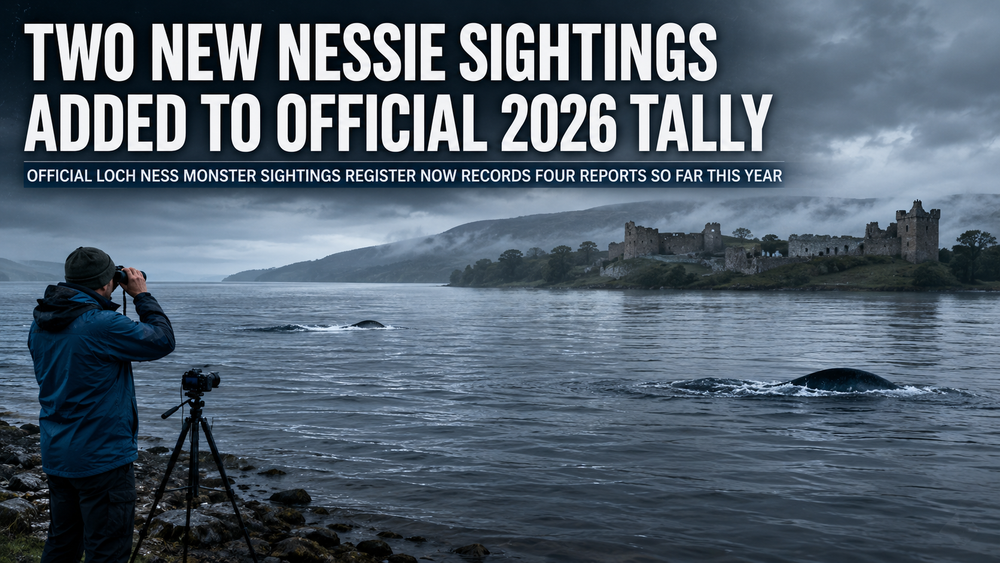
In 2026, two new alleged sightings of the Loch Ness Monster, commonly known as Nessie, have been officially recorded as part of ongoing efforts to catalogue reported encounters with this elusive creature. Both reports originate from visitors near Loch Ness in Scotland, who claim to have observed unusual movements in the water consistent with descriptions of the cryptid. The sightings were registered within the first half of the year, contributing to a growing but still limited number of reports that local researchers and enthusiasts track each year. Neither witness was able to capture definitive photographic evidence, although witness testimonies remain detailed regarding the shape and behaviour of the entity observed. These new entries further highlight the persistence of Loch Ness as a focal point for cryptid phenomena. The reports are now under review by experts who evaluate the plausibility and context of each claim.
The first witness, a couple on holiday, described seeing a long, dark shape with a series of humps moving slowly just beneath the loch’s surface. They noted the object caused a wake inconsistent with normal wildlife or watercraft, though no sound was reported.
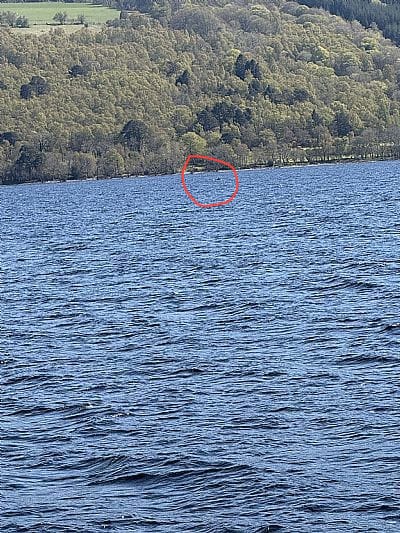
The second report came from a local fisherman who noticed a disturbance and partial emergence of an unusual, serpent-like form early in the morning, which quickly submerged again before detailed examination was possible.
Both accounts align broadly with historical descriptions of Nessie, including reports of a large, elongated neck and undulating motion through the water. Critics might point out the absence of clear visual evidence and the potential for misidentification of known fauna or natural occurrences such as floating logs or unusual wave patterns. Nonetheless, the consistency in witness descriptions and the remote location where the sightings occurred give these reports a degree of interest among cryptozoologists and Loch Ness researchers. The new data also contribute to the annual tally maintained since the early twentieth century, which continues to fuel debate about the authenticity of the Loch Ness Monster legend.
The fast-moving anomaly filmed at the loch in early April, covered in Fast-Moving Anomaly Filmed at Loch Ness May be First 'Monster' Sighting of 2026, was the first entry in what has become a running 2026 tally — the footage from that sighting remains the most analytically significant of the year's reports, having been subjected to the most sustained independent scrutiny.
The Loch Ness Monster is one of the most famous cryptids worldwide, rooted deeply in Scottish folklore and international popular culture. Sightings date back to the 6th century, with the name Nessie becoming widespread in the 1930s after a series of sensationalised media reports. Over the decades, efforts to document occurrences have incorporated sonar scans, underwater photography, and more recently, drone footage—all with inconclusive results. This pattern is typical of cryptid reports where witness testimony alternates with technological attempts that neither fully confirm nor dismiss the phenomenon. Such sightings are often influenced by local socio-cultural factors, tourism interest, and the inherent difficulty of identifying objects in a large, murky freshwater body. The enduring legend is bolstered by the loch’s depth and complexity, which allow for many natural explanations as well as the tantalising possibility of an undiscovered species. The addition of these new reports in 2026 fits within this longstanding narrative, keeping the debate alive and illustrating the challenges faced in verifying cryptid evidence against the backdrop of folklore and modern witness reporting.
Source: Coast to Coast