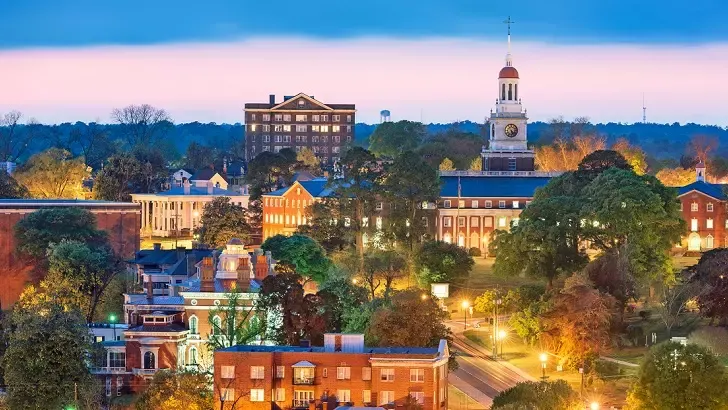
The city of Columbus, Georgia, has initiated a formal search for a ‘Director of Paranormal Affairs’ as part of an unprecedented municipal programme aimed at investigating and managing local supernatural phenomena. This announcement was made in early 2024, reflecting a growing interest in recognising and addressing reports of hauntings, unexplained sightings, and other spectral events within the city limits. The role is reportedly designed to coordinate research efforts, community reports, and potentially collaborate with wider academic or governmental bodies focused on paranormal studies. Columbus, a city with a long history embedded in southern folklore, sees this appointment as a step towards legitimising and safely exploring its paranormal heritage. The position signals a novel municipal approach to phenomena often relegated to informal or private investigation. Calls for applications highlight qualifications in research methodologies, experience with paranormal investigations, and public engagement skills. This initiative is expected to commence in the second quarter of 2024.
The proposed director’s responsibilities include overseeing investigations into resident-reported hauntings, coordinating with local law enforcement on cases involving unexplained paranormal activity, and documenting findings for public dissemination. Witness accounts in Columbus frequently cite phenomena such as apparitions in historic districts, poltergeist-like disturbances in older homes, and unexplained auditory phenomena, which have long been part of local lore. By institutionalising this role, the city aims to provide a structured response to such reports while maintaining scientific rigour and respect for occupants’ safety and wellbeing. However, some local sceptics remain cautious, expressing concern over potential resource allocation and the challenges inherent in empirical study of largely subjective experiences. The city’s transparent approach to data gathering and collaboration with universities specialising in anomalous phenomena could establish a model for other municipalities. Critics and advocates alike are closely watching how this role balances public interest and scepticism.
The Hat Man case file, published on Stranger Times at The Hat Man: Why Thousands of People See the Same Shadow in Their Bedroom - Case File, documents exactly the kind of phenomenon a Director of Paranormal Affairs would find waiting for them an entity reported by thousands of independent witnesses across multiple countries, with enough consistency of detail to resist dismissal as coincidence or cultural contamination.
Columbus’s decision fits within a broader context of increasing public and institutional engagement with paranormal and Fortean phenomena, reflecting a shift from marginal curiosity to formal inquiry in some regions. Historically, the American South, including Georgia, has been fertile ground for ghost stories and supernatural folklore, often linked to its Civil War heritage and colonial past. This cultural backdrop lends significance to the city’s effort to formally document and understand such occurrences beyond folkloric storytelling. It also parallels developments seen elsewhere, such as the recognition of cryptid sightings in regional biodiversity studies or government UFO task forces seeking to clarify aerial phenomena. The institutionalisation of paranormal investigation emphasises the growing desire to treat these phenomena with academic caution while recognising their cultural and community impact. Columbus’s strategy could influence future urban approaches to managing intangible heritage, encouraging dialogue between sceptics, believers, and researchers. This initiative may serve as a valuable case study in balancing local tradition with modern investigative frameworks in the paranormal field.
Source: Coast to Coast