
Steven Spielberg, renowned filmmaker and public advocate for the possibility of extraterrestrial life, has recently stated that he now considers UFO disclosure unstoppable. Speaking to AP News, Spielberg referenced significant developments including the 2017 US Navy videos and 2023 congressional testimonies by individuals such as David Grusch and Commander David Fravor as pivotal moments in his evolving perspective. While he described the evidence as circumstantial, Spielberg characterised it as overwhelming enough to merit public acknowledgement. Former Pentagon official Lue Elizondo, once head of the Advanced Aerospace Threat Identification Program (AATIP), reinforced this sentiment in an interview with Liberation Times, affirming that disclosure is irreversible. Elizondo also divulged his autistic spectrum diagnosis, which he said influences his direct ethical approach to the issue. Both stressed that the potential impacts of disclosure could be profound, not only in confirming the reality of unidentified aerial phenomena (UAP), but in challenging humanity’s understanding of itself.
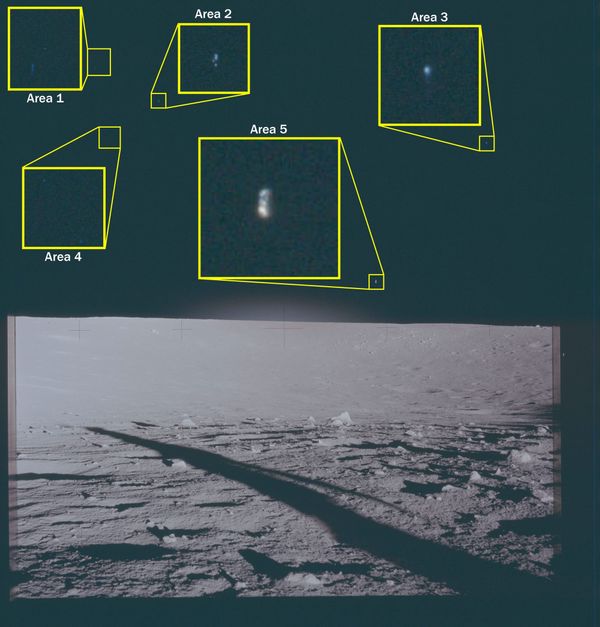
Key witness accounts and emerging testimonies have shaped the current dialogue surrounding UAPs. Spielberg cited the Navy’s 2017 videos and congressional hearings involving Grusch, Fravor, and Ryan Graves as particularly influential in shifting public and expert opinion. Elizondo hinted at conspiratorial layers, revealing belief in a non-human presence on the Moon, referencing classified sources and NASA footage from Apollo missions that recorded anomalous encounters. Furthermore, he mentioned purported scientific consensus within government agencies suggesting external interference in human evolution, though details remain vague. Congressional efforts have included calls for whistleblower amnesty, exemplified by a recent event with Representative Eric Burlison where a 60-day window for disclosures was proposed. Additionally, whistleblower protections remain pivotal given allegations of illegal CIA surveillance on UAP witnesses, highlighted by CIA officer James Erdman III’s testimony. Prominent investigative documentarian Jeremy Corbell underscored the challenges ahead, such as possible reverse engineering of craft and biological implications, warning that official releases to date are merely preliminary.
UFO disclosure efforts intersect with broader patterns in government, scientific, and popular culture contexts. The US and China’s acknowledgment of UAP programmes, with China openly declaring an AI-driven tracking initiative since 2021, marks a subtle geopolitical dimension to the phenomenon. The involvement of advanced technology such as artificial intelligence in sorting vast sighting data echoes longstanding protocols within projects like AATIP and the more recent Unidentified Aerial Phenomena Task Force. Historically, interest in UAPs within the military and intelligence communities stemmed from concerns about national security and aerial threats, evolving later into broader investigations of their physical and potential technological properties. The references to "ontological shock" reflect a philosophical recognition of the deeper existential consequences should non-human intelligence be proven present. As disclosure efforts escalate, they continue to force reconsideration of empirical evidence, witness credibility, and the cultural narratives that shape collective understanding of contact phenomena.
Source: UFO News