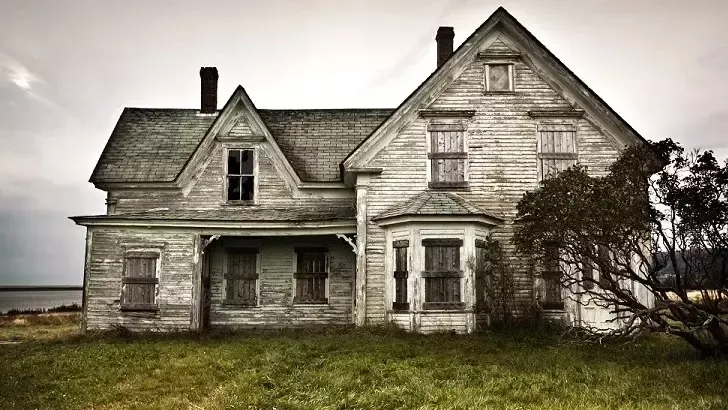
A restraining order has been granted amid a protracted legal dispute over ownership of the infamous ‘Conjuring House’ located in Harrisville, Rhode Island. This property, famously associated with Ed and Lorraine Warren’s investigations and the basis for the Conjuring film franchise, has become the centre of contention between private parties claiming ownership rights. The order, issued earlier this month, aims to prevent specific individuals from accessing the property until the court resolves the ownership claims. The dispute reportedly follows several years of wrangling involving inheritance issues, sale agreements, and property boundaries. The Conjuring House gained prominence from multiple paranormal claims tied to the Warrens’ documented cases, attracting significant public and media interest. The latest legal move underscores the contentious nature of property possession in locales linked to high-profile paranormal phenomena.
Witnesses and concerned parties have detailed unusual circumstances surrounding the ownership dispute, including claims of trespassing and disturbed artefacts related to the Warrens’ investigations. Some neighbours report increased traffic and unauthorised visits by fans and investigators, complicating the management of the site. Conflicting documents have emerged, some suggesting previous sales not properly registered, while others highlight ongoing inheritance conflicts within the original owner’s family. No official statements have been made by the parties who secured the restraining order, but sources intimate that the property’s association with paranormal lore complicates the legal procedures and public perception. The ongoing dispute also raises concerns about preserving the site’s historical and cultural importance due to its unique place in American paranormal investigation history.
The Conjuring House, situated in a region known for numerous reported hauntings and supernatural claims in New England, fits within a larger context of disputed properties tied to alleged paranormal events. Such locations often become contested due to their notoriety and potential tourism value, creating challenges when ownership is unclear or contested. The Warrens’ contribution to the public awareness of the house dates back to documented 1970s investigations, where claims of poltergeist activity and apparitional phenomena were recorded. This case falls within a broader pattern of paranormal sites whose ownership disputes intertwine with their cultural significance and folkloric status. The Harrisville property serves as a case study in how paranormal reputation can influence legal and communal dynamics around historic sites, reflecting tensions between preservation, commercial interests, and private rights.
Source: Coast to Coast